Maple Roasted Thanksgiving Butternut Squash Recipe
What kind of recipe is it?
This butternut squash recipe highlights a versatile and nutritious dish, perfect for both cozy dinners and festive gatherings. Its sweet, nutty flavor pairs well with spices, making it a delightful option for those looking to indulge in healthy comfort food. The creamy texture and vibrant color not only enhance the visual appeal but also provide essential vitamins and minerals. Ideal for vegetarians, vegans, and anyone seeking a delicious, seasonal dish, this recipe encourages creativity in the kitchen while promoting wholesome eating habits.
This list covers all essential ingredients for a delicious butternut squash dish, providing a balance of flavors and textures that will enhance the overall dish.
Cooking Steps
Preheat the oven to 200 °C (400 °F) and position the oven rack in the middle. Line a baking sheet with parchment paper for easy cleanup.
Carefully peel the butternut squash using a vegetable peeler, then cut it in half lengthwise. Scoop out the seeds and fibers with a spoon, and chop the squash into 2.5 cm (1 inch) cubes.
In a large mixing bowl, toss the cubed butternut squash with 2 tablespoons of olive oil, 1 teaspoon of salt, ½ teaspoon of black pepper, ½ teaspoon of ground cinnamon, and ¼ teaspoon of ground nutmeg until evenly coated.
Spread the seasoned squash cubes in a single layer on the prepared baking sheet, ensuring they’ve space between them for even roasting.
Roast the squash in the preheated oven for 25–30 minutes or until golden brown, tender, and fragrant, stirring halfway through (the edges should caramelize slightly).
While the squash roasts, heat a large pot over medium heat and add 4 cups of vegetable broth. Bring it to a simmer.
In a separate pan (preferably a large saucepan), sauté 2 cloves of minced garlic with 2 tablespoons of chopped fresh thyme in a small amount of olive oil (about 1 teaspoon) over medium heat until fragrant, about 1–2 minutes.
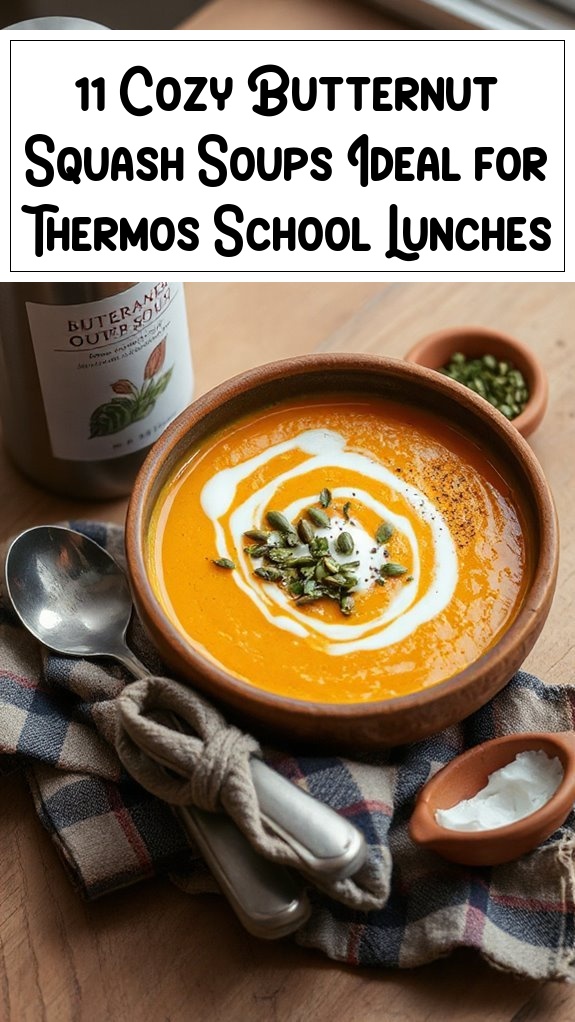
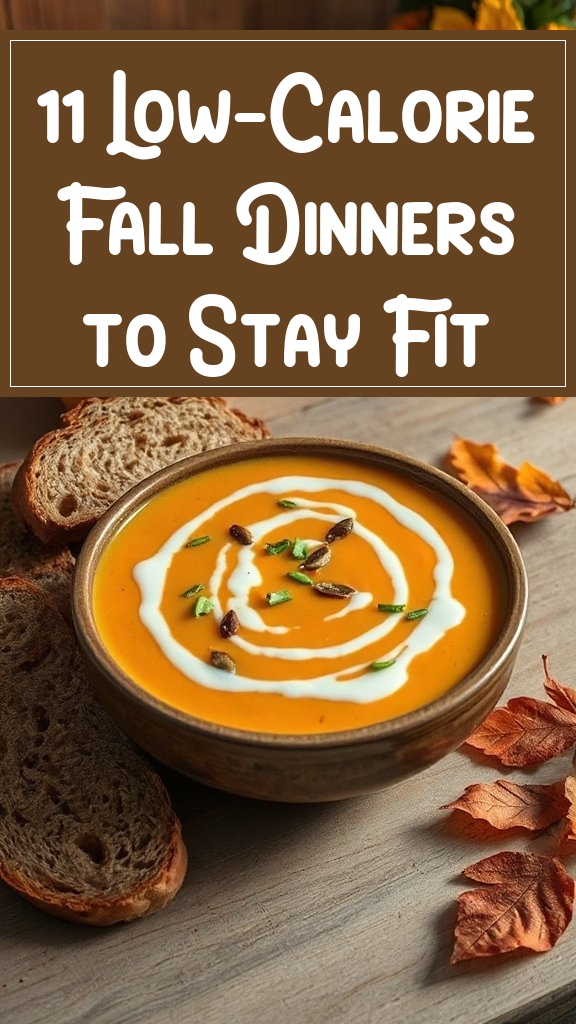
Once the squash is roasted, add it to the pot with the simmering broth. Use an immersion blender to blend the mixture until smooth.
If you prefer a creamier texture, mix in 240 ml (1 cup) of coconut milk at this stage.
Allow the soup to simmer for an additional 5 minutes to meld the flavors. Taste and adjust seasoning with salt and pepper as needed.
Remove the pot from the heat and stir in 2 tablespoons of lemon juice to brighten the flavor.
Serve the butternut squash soup hot, garnished with ¼ cup of chopped pecans or walnuts and 2 tablespoons of fresh parsley.
If not serving immediately, let the soup cool at room temperature for about 30 minutes before transferring it to airtight containers for refrigeration. Store for up to 3 days.
For reheating, warm the soup gently over low heat, stirring occasionally, until heated through. Avoid boiling to maintain texture.
Enjoy the rich, savory aroma and vibrant color of your butternut squash dish, ensuring it achieves a silky and smooth consistency before serving.
Variations
– Spicy Ginger Butternut Soup:
Add 1 tablespoon of grated fresh ginger and 1 teaspoon of red pepper flakes for a warming kick.
Substitute vegetable broth with 4 cups of coconut milk (960 ml) and add 2 tablespoons of red curry paste for a tropical twist.
– Beefy Butternut Stew:
Incorporate 500 g (1 lb) of browned ground beef or diced beef for a hearty, meaty option; simmer until tender.
– Vegan Maple Sage Delight:
Replace coconut milk with 240 ml (1 cup) of unsweetened almond milk and mix in 2 tablespoons of maple syrup for sweetness and depth; verify all ingredients are certified vegan.
Tips on plating and presentation
When it comes to plating and presentation, a little creativity goes a long way in making your butternut squash dishes visually appealing.
I love using a colorful plate to contrast the warm hues of the squash. Drizzling maple syrup on top adds shine, while a sprinkle of fresh herbs brings freshness.
Don’t forget to arrange the pieces attractively for a stunning presentation!
What other dishes can I pair it with?
One of my favorite ways to enjoy butternut squash is by pairing it with hearty proteins like roasted chicken or grilled salmon.
It also complements rich grains, such as quinoa or farro, adding texture to the meal.
For a fresh touch, serve it alongside a crisp arugula salad.
These pairings enhance the flavors and create a balanced plate that everyone will love!
What drinks can I pair it with?
Pairing drinks with butternut squash can elevate your dining experience considerably.
I love a crisp white wine, like a Sauvignon Blanc, which complements the sweetness beautifully.
If you’re in the mood for something non-alcoholic, try a spiced apple cider; it’s warm and comforting.
For those who enjoy cocktails, a bourbon-based drink adds a delightful depth to the dish.
Enjoy!
Frequently Asked Questions
Can I Prepare This Squash Recipe Ahead of Time?
Absolutely, you can prepare the squash ahead of time! I usually roast it a day in advance, then reheat it gently before serving. It saves time and still tastes delicious for your gathering!
How Do I Store Leftovers of This Dish?
I store leftovers in an airtight container in the fridge. They usually last about three to five days. If I won’t eat them soon, I freeze them for later enjoyment!
Is It Suitable for a Vegan Diet?
I guarantee it’s suitable for a vegan diet, using only plant-based ingredients like butternut squash, maple syrup, and olive oil. It’s a delicious option for anyone seeking hearty, vegan-friendly dishes. Enjoy!
Can I Use Other Types of Squash for This Recipe?
Absolutely, you can use other types of squash! I’ve enjoyed experimenting with acorn and delicata squash, and they both add their unique flavors. Just adjust your roasting time based on their size and texture.
How Do I Know When the Squash Is Fully Cooked?
I know the squash is fully cooked when I can easily pierce it with a fork and it feels tender. The edges may caramelize slightly, giving it that delicious, sweet flavor I love so much.