11 Culinary Adventures for Young Chefs to Enjoy Back to School
Embracing Plant-Based Proteins
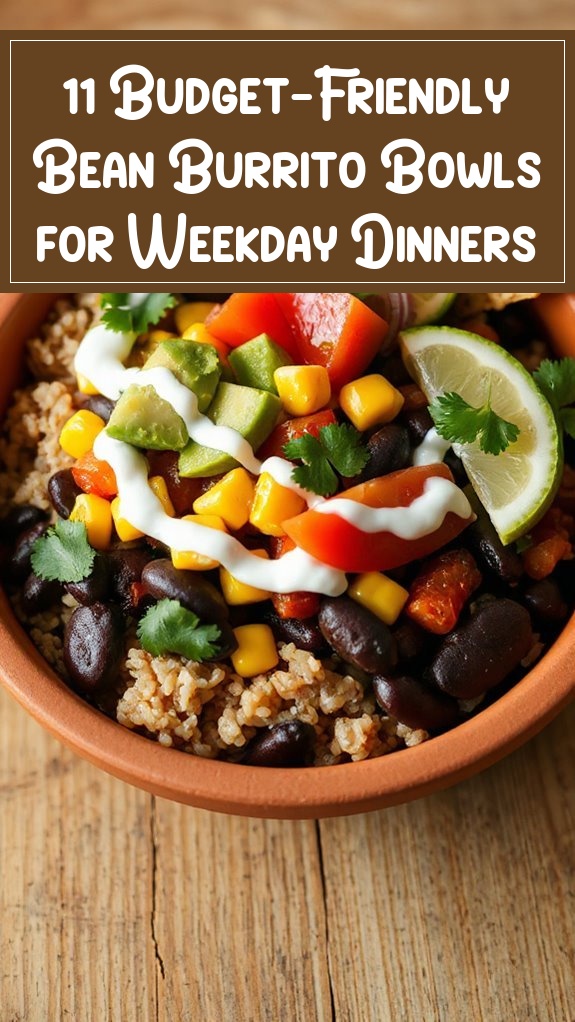
Embracing plant-based proteins can lead to delicious and fulfilling meals, such as a Quinoa and Black Bean Bowl. This dish is a nourishing combination of protein-rich quinoa and black beans, mixed with vibrant vegetables and topped with a zesty lime dressing. It’s an easy and versatile recipe that’s perfect for lunch or dinner, and is sure to satisfy both plant-based eaters and those just looking to incorporate more whole foods into their diet.
Rinse the quinoa under cold water and cook according to package instructions.
In a bowl, combine cooked quinoa, rinsed black beans, halved cherry tomatoes, diced red bell pepper, and corn.
In a small bowl, whisk together lime juice, olive oil, cumin, salt, and pepper.
Drizzle the lime dressing over the quinoa mixture and toss to combine.
Serve topped with diced avocado and fresh cilantro as garnish.
Utilizing Upcycled Ingredients
Utilizing upcycled ingredients can lead to creative and environmentally-friendly meals. One such dish is a Vegetable Scramble featuring leftover vegetables, herbs, and eggs. This quick and nutritious meal is perfect for breakfast or a light lunch, allowing you to use up vegetables that might otherwise go to waste, ensuring nothing gets thrown into the compost bin without first having its moment in the spotlight.
Ingredients
Quantity
Eggs
4 large
Leftover cooked vegetables (e.g., bell peppers, zucchini, spinach)
Heat olive oil in a skillet over medium heat and sauté chopped onion and minced garlic until fragrant.
Add leftover vegetables and cook until heated through.
In a bowl, whisk together the eggs, salt, and pepper, then pour the mixture into the skillet.
Cook, stirring occasionally, until the eggs are scrambled and cooked to your desired doneness.
Serve hot, garnished with fresh herbs.
Developing Fermentation Techniques
Kimchi is a traditional Korean dish made by fermenting vegetables, typically napa cabbage and radishes, with spices and seasonings. This dish not only showcases the art of fermentation but also offers a probiotic boost and enhances the flavor profile of meals. Making kimchi at home is a fun and rewarding process that allows for customization with various ingredients and can serve as a flavorful side dish or ingredient in other recipes.
Ingredients
Quantity
Napa cabbage
1 large head
Korean radish (mu)
1 medium
Sea salt
1/2 cup
Water
4 cups
Garlic
5 cloves
Ginger
1 inch piece
Korean red pepper flakes (gochugaru)
1/2 cup
Sugar
1 tablespoon
Fish sauce (or vegetarian option)
2 tablespoons
Green onions
3 stalks
Carrots
1 medium
Cooking Steps Instructions:
Cut the napa cabbage into quarters, remove the core, and chop into bite-size pieces. Soak the cabbage in a large bowl with water and sea salt, ensuring it’s fully submerged. Let it sit for 2 hours, turning occasionally.
Rinse the cabbage under cold water to remove excess salt, then drain well.
In a food processor, blend garlic, ginger, fish sauce, sugar, and a little water until smooth. Mix with the gochugaru in a bowl to form a paste.
In a large mixing bowl, combine the drained cabbage, chopped radish, sliced carrots, and green onions. Add the paste and mix until well coated.
Pack the kimchi tightly into a clean glass jar, leaving some space at the top for fermentation gases. Seal the jar and let it ferment at room temperature for 1-5 days, depending on your preference for sourness.
Once fermented to your liking, store in the refrigerator to slow the fermentation process and enjoy!
Innovating Sustainable Food Packaging
In the domain of culinary arts, innovative and sustainable food packaging is vital for reducing environmental impact while maintaining food quality. One creative method to enhance this practice is to use biodegradable packaging for homemade food items like kimchi. By sourcing eco-friendly materials, culinary students can guarantee that their delicious fermented creations are not only flavorful but also environmentally conscious.
Ingredients
Quantity
Biodegradable containers
4-6 jars
Craft paper (for labels)
4 sheets
Natural fibers (e.g., hemp twine)
1 roll
Eco-friendly adhesive
As required
Recyclable tape
As required
Cooking Steps Instructions:
Prepare your homemade kimchi using the recipe from the previous subtopic.
Clean and sanitize biodegradable jars thoroughly before packing your kimchi.
Carefully pack the kimchi into the jars, leaving enough space at the top for fermentation.
Create labels from the craft paper, noting the ingredients and fermentation date, and attach them using natural fibers.
Seal the jars with eco-friendly adhesive or recyclable tape for added protection.
Store the jars in a cool, dark place for fermentation, then refrigerate any that won’t be consumed immediately.
Creating Nutritional Meal Kits
Creating Nutritional Meal Kits involves preparing an extensive and healthy dish that can be easily packaged and delivered to nourish individuals and families. These meal kits often focus on include balanced ingredients that are not only delicious but also fill nutritional needs. Below is a recipe for a vibrant and hearty Quinoa and Black Bean Salad, perfect for a meal kit option that is both satisfying and nutritious.
Rinse quinoa under cold water, then cook according to package instructions (generally, use 2 cups of water for 1 cup of quinoa, bring to a boil, then simmer until water is absorbed).
In a large mixing bowl, combine cooked quinoa with black beans, bell pepper, cherry tomatoes, and cilantro.
In a small bowl, whisk together lime juice, olive oil, cumin, salt, and black pepper to create a dressing.
Pour the dressing over the quinoa and vegetable mixture, tossing gently to combine.
Portion the salad into biodegradable containers for meal kits, and store in the refrigerator until ready for distribution or consumption.
This nutrient-dense quinoa and black bean salad provides a great base for healthy meal kits that can be enjoyed on-the-go or as part of a family dinner.
Implementing Urban Vertical Farming
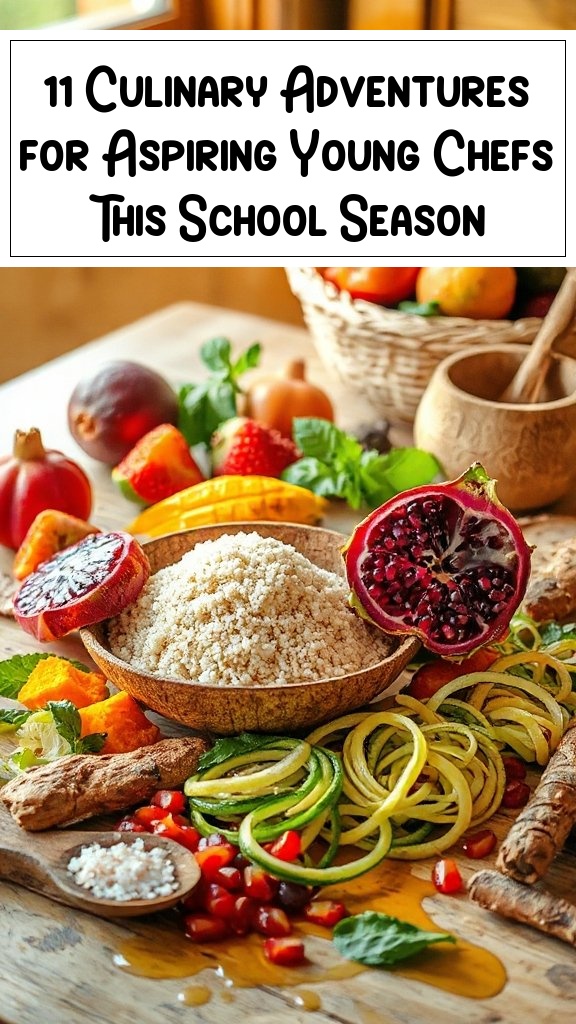
Implementing Urban Vertical Farming allows culinary students to cultivate fresh produce right in the heart of the city, promoting sustainability while providing high-quality ingredients for their dishes. One delightful dish that showcases the benefits of urban vertical farming is a Fresh Herb and Spiralized Vegetable Noodle Bowl. This colorful and vibrant meal highlights freshly grown herbs and vegetables that are both nutritious and visually appealing.
Spiralize the zucchini and carrots using a spiralizer or julienne peeler to create noodles.
Heat olive oil in a skillet over medium heat; add minced garlic and sauté until fragrant.
Add the spiralized vegetables and cook for 3-5 minutes until slightly tender.
Remove from heat, then stir in lime juice, fresh basil, cilantro, salt, and black pepper.
Portion into bowls, sprinkle with red pepper flakes if desired, and serve warm.
This dish is not only easy to prepare but also utilizes fresh ingredients from urban vertical farming, making it a wholesome option for health-conscious individuals and families.
Crafting Zero-Waste Recipes
Crafting zero-waste recipes not only helps reduce food waste but also encourages culinary students to be creative with their ingredients. This recipe elevates an everyday vegetable into a delightful dish by utilizing vegetable scraps and peels in a flavorful broth to create a Vegetable Scrap Soup, ensuring that no part of the produce goes to waste.
In a large pot, combine the vegetable scraps and water; bring to a boil.
Add onion, garlic, carrot, and celery to the pot, then reduce heat to a simmer.
Cook for 30-45 minutes, allowing flavors to meld.
Add fresh herbs, salt, and pepper; steep for an additional 10 minutes.
Strain the broth and serve hot; enhance with a splash of lemon juice if desired.
This Vegetable Scrap Soup not only minimizes waste but also results in a comforting and nutritious meal that can be enjoyed on its own or used as a base for other dishes.
Designing Functional Beverages
Designing functional beverages involves creating drinks that not only quench thirst but also provide health benefits through the use of natural ingredients. One delightful example is a Ginger Turmeric Wellness Tonic, which combines the anti-inflammatory properties of ginger and turmeric with a rejuvenating, invigorating taste profile. This beverage is perfect for culinary students looking to experiment with functional ingredients and offer a unique drink option.
Serve warm or chill in the refrigerator; garnish with fresh mint leaves before serving.
This Ginger Turmeric Wellness Tonic not only rejuvenates but also supports overall wellness, making it a perfect addition to any menu focused on functional beverages.
Exploring Alternative Dairy Solutions
Exploring alternative dairy solutions allows culinary students to create creamy, delicious dishes without using traditional dairy products. One fantastic recipe that incorporates alternative dairy is a Cashew Alfredo Sauce, which offers a rich and creamy texture perfect for pasta dishes, vegetable tops, or as a base for other sauces. This nut-based sauce is not only lactose-free but also fits well within plant-based diets.
Soak raw cashews in water for at least 4 hours or overnight, then drain and rinse.
In a blender, combine soaked cashews, fresh water, nutritional yeast, minced garlic, lemon juice, olive oil, salt, and black pepper. Blend until smooth and creamy.
Adjust seasoning as needed and, if desired, add a little more water for a thinner consistency.
Heat the sauce gently in a saucepan over low heat, stirring frequently to warm.
Serve over your choice of pasta or vegetables, and garnish with fresh chopped parsley.
Enhancing Flavor Through Microbial Cultures
This Vegan Kimchi Pasta dish brings together the robust flavors of fermented kimchi with a creamy cashew-based sauce, embracing the use of microbial cultures to enhance taste and nutrition. It’s a bold, flavorful dish that wonderfully combines the tangy spiciness of kimchi with the rich creaminess of cashew Alfredo, providing a unique experience for culinary students and food enthusiasts alike.
Soak raw cashews in water for at least 4 hours or overnight, then drain and rinse.
In a blender, combine soaked cashews, fresh water, nutritional yeast, minced garlic, lemon juice, olive oil, salt, and black pepper. Blend until smooth and creamy.
In a large mixing bowl, toss the cooked pasta with the chopped kimchi and the cashew sauce, ensuring everything is well coated.
Stir in additional seasonings or water if desired for a thinner consistency.
Serve immediately, garnished with chopped green onions and sesame seeds.
Fostering Community-Supported Agriculture
Culinary Student Solutions focuses on creating innovative dishes that embrace fresh, locally sourced ingredients. This Vegan Kimchi Pasta incorporates community-supported agriculture by emphasizing seasonal vegetables and sustainable produce to enhance the vibrant flavors of a traditional recipe. The dish blends the spicy tang of kimchi with a creamy cashew sauce, allowing culinary students to explore sustainable practices while crafting a delightful meal.